


Why Homeschooling in Missouri Is Simpler Than You Think
Before Missouri's homeschooling laws were revised, parents and guardians in the state faced a major hurdle. They used to be given the “option” to submit a signed declaration of their intention to homeschool within 30 days of setting up the homeschool. The kicker was that local school districts treated this option as a requirement and often took legal action against those who didn't comply.
That changed in 2025 when Missouri abolished that part of the law. Currently, a parent or guardian who wants to start homeschooling in Missouri only has to notify their child’s public school district about their decision to explore alternative education options. Once the district receives that notice, they must remove the child from the rolls immediately without policing how the parent intends to educate them. In this blog, we'll explain how homeschooling now works in Missouri and how you can ensure your child receives the best-quality education.

What Is Homeschooling in Missouri?
Missouri homeschool law defines a “home school” as one that has the primary purpose of providing private or religious-based instruction. It's distinct from the public system, so you aren't tethered to the state's standardized testing or the local school district's daily schedule.
According to state law, a home school enrolls children of compulsory attendance age, which is from seven to 17 in most districts. You can't charge tuition (since you are teaching your own family), and there mustn't be more than four unrelated students. In other words, while you can tutor an unlimited number of children, most of them must be related by blood. For example, you may enroll your kind neighbor's kids and your children's friends, but you can't take on more than four.
Differences Between a Home School and an FPE School
Missouri distinguishes between a standard “home school” and a “Family Paced Education (FPE) school.” While both are regarded as nontraditional educational environments and must provide the same minimum hours of instruction, there's a difference in how they're funded.
-
Home School: A home school doesn't enroll children who participate in the state’s scholarship programs, such as tax-credit scholarships.
- FPE School: Unlike a home school, an FPE school may enroll children who participate in scholarship programs and receive state-approved funding through educational assistance organizations. Most homeschool parents prefer to run FPE home schools so their children can access these perks.
Irrespective of the model you choose, your kids have the right to join recreational events organized by your public school district and charter schools, as long as they meet the participation requirements.

How to Homeschool Students in Missouri
There are four legal requirements for running a home school in Missouri.
1. Notify the School District
A parent or guardian must notify the school district if they intend to withdraw their child. When you send this notice to the appropriate personnel, they'll remove your child from the public school district roster.
2. Create a Homeschool Curriculum
When homeschooling in Missouri, you must provide regular instruction in five core subjects:
- Reading
- Language Arts
- Mathematics
- Social Studies
- Science
The academic instruction offered must match the child’s age and mental ability. It's advisable to strengthen the curriculum with online learning materials that improve critical thinking skills and hands-on experiments at historical sites.
3. Maintain Records of Instruction Provided for the Entire School Term
You also need to maintain the following records to prove regular attendance and sufficient instruction:
-
A Plan Book: This needs to indicate the subjects taught and the activities engaged in. If you use an online curriculum, print the completion logs.
-
A Portfolio of Samples: Keep examples of the child's academic work. Once a week, set aside something they did in class, like a math sheet or a writing assignment. By the end of the year, you'll have a massive collection of completed coursework.
- A Record of Evaluations: This helps you track the child's academic progress. You may use standardized tests or create a report of their progress in core subjects.
Alternatively, you can provide other written records as long as they're credible evidence equivalent to these items. Also, please note that you don't have to submit these records to the school district. These records are subject to review only by the local prosecuting attorney (usually only if there is a legal complaint of neglect).
4. Instruct for the Minimum Number of Hours
This is the part that often stresses homeschool families out. The rule is that you must offer at least 1,000 hours of instruction during the school term.
At least 600 of those hours must be in the core subjects (Reading, Language Arts, Math, Social Studies, Science). Of those 600 core hours, at least 400 hours must occur at the regular home school location. This location rule is to ensure you aren't over-relying on homeschool co-ops for the bulk of your child's education.
Don't let the number 1,000 scare you. If you spread that over a typical 180-day school year (like public schools), that's about five and a half hours a day. Here's how you can track the time spent.
-
The Daily Log: In your plan book, note the time spent on each learning activity.
-
Year-Round Schooling: If you school year-round (which many families do), the daily load drops significantly. One thousand hours over 365 days is less than three hours a day.
- Color Coding: Use a simple color code in your planner. Highlight "Core" hours (Math, Science, etc.) in yellow. Ensure you hit that 600 mark. The remaining 400 hours can be used for teaching personal development skills such as problem-solving, empathy, and patience through extracurricular activities.

Testing Homeschool Students in Missouri
One of the most liberating aspects of Missouri law regarding home education is the absence of mandatory state testing. Unlike public school students, homeschooled children aren't required to take the MAP (Missouri Assessment Program) or any other state-administered exam. This allows you to focus entirely on your child's learning style without the pressure of teaching to the test.
However, many parents choose to administer standardized tests voluntarily to gauge their child’s progress or to prepare them for the school setting of higher education. You can order nationally standardized tests from third-party providers and administer them at home.
Diplomas and Transcripts
In Missouri, the state does not issue diplomas to students enrolled in homeschools. Instead, the parent or guardian issues the diploma. This document is as legally valid as the diplomas granted during traditional high school graduation.
Similarly, you are responsible for creating transcripts from your homeschool records. A transcript should list every course taken in each grade level, the credits earned, and the final grade. Colleges and employers usually accept these parent-generated transcripts.
Resources for Homeschooling Families in Missouri
Home educators looking to enhance their kids' capacity to think independently will find robust additions to their curriculum at the Tuttle Twins Academy. Our Homeschool Hub also has excellent resources for teaching economics, free market, and entrepreneurship principles that prepare kids for future success.
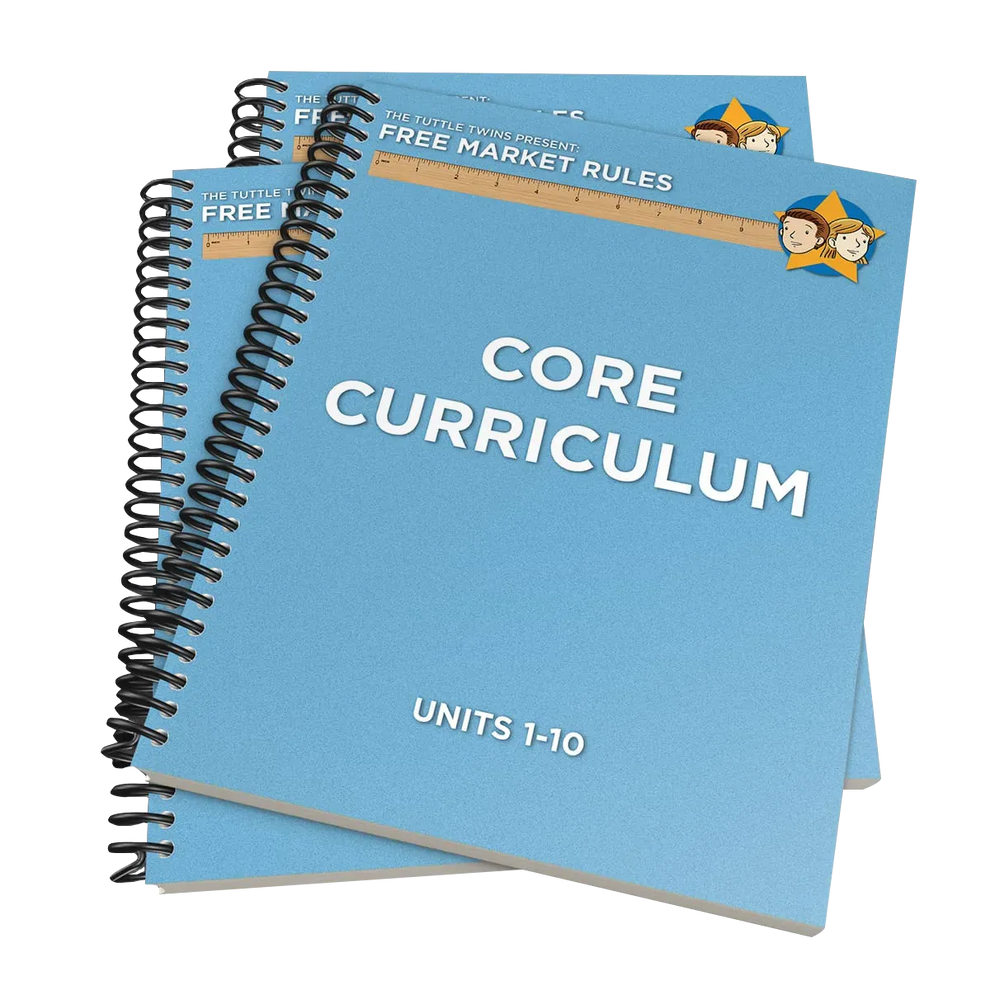
To enable homeschooling families to gain seamless access to our robust resources, Tuttle Twins is registered as an approved educational vendor for the Missouri’s Empowerment Scholarship Accounts (MOScholars) program. This program provides scholarships to eligible students (often those with IEPs or from lower-income households) to pay for educational expenses. Our registration means that the state can potentially reimburse you for your Tuttle Twins purchases.

Frequently Asked Questions
How Much Does It Cost to Homeschool Your Child in Missouri?
You can homeschool your kids for free in Missouri using the library and free online resources, or spend thousands on a full-service virtual school or private school curriculum. The MOScholars program can offset these costs significantly for eligible families.
Are There Homeschool Groups for Families in Missouri?
Yes. Organizations, including Families for Home Education (FHE), hold annual conferences (often in Kansas City or Springfield) and can connect you with local support groups. Joining a group helps open up social opportunities for your child.
Can I Be Sued for Homeschooling My Child in Missouri?
No, you can't be sued simply for the act of homeschooling, as it's a constitutionally protected right in Missouri. However, you must follow the law to avoid legal trouble. If you fail to provide the amount of instruction required or if there is no evidence that your child attends school, a prosecutor could charge you with educational neglect or truancy (a Class C misdemeanor). This requirement is why you need to maintain adequate homeschool records.
Conclusion
Homeschooling in Missouri is much easier than it is in other states. There's no need to submit a declaration of intent to homeschool within a certain period or satisfy any immunization requirements. Missouri law also allows you to tailor the curriculum to suit the child's learning style. Sharpen their minds with Tuttle Twins resources, document their progress, and watch them thrive.